Understanding Pregnancy: A Comprehensive Guide for Health and Wellness

Pregnancy is one of the most transformative experiences in a person’s life, combining complex physiological changes with emotional, social, and psychological aspects. Proper understanding of pregnancy is crucial for expecting mothers, healthcare professionals, and families, as it directly influences maternal and fetal health outcomes. This article explores pregnancy from conception through postpartum, highlighting medical insights, best practices, lifestyle considerations, and evidence-based strategies for a healthy pregnancy journey.
What is Pregnancy and Its Stages
Pregnancy occurs when a fertilized egg implants in the uterine lining, beginning a developmental process that spans approximately 40 weeks. Pregnancy is divided into three trimesters, each marked by specific physiological milestones and care considerations.
First Trimester (Weeks 1–12)
The first trimester is the most critical for organ development, fetal viability, and maternal adaptation. Key aspects include:
- Fetal development: Major organs such as the heart, brain, and lungs begin forming. The embryo transitions into a recognizable fetus by the end of week 12.
- Hormonal changes: Increased levels of human chorionic gonadotropin (hCG), estrogen, and progesterone support implantation and maintain the uterine environment.
- Common symptoms: Morning sickness, fatigue, breast tenderness, and frequent urination are prevalent during this stage.
- Medical monitoring: Early prenatal visits include blood tests, ultrasound scans, and screening for infectious diseases to ensure maternal and fetal health.
Early detection of complications, such as ectopic pregnancy or gestational diabetes risk, is critical during this period.
Second Trimester (Weeks 13–26)
The second trimester is often described as the “honeymoon phase” of pregnancy due to stabilized symptoms and visible fetal growth. Key highlights include:
- Fetal growth: Organs mature, the skeleton hardens, and the fetus begins to move, detectable as “quickening.”
- Maternal adaptation: Energy levels increase, and nausea often decreases, though some women experience back pain and joint discomfort.
- Screening tests: Ultrasounds assess fetal anatomy, amniotic fluid levels, and placenta placement. Blood tests may screen for gestational diabetes or chromosomal anomalies.
- Lifestyle adjustments: Nutritional intake is emphasized to support rapid fetal growth, including protein, iron, calcium, and folic acid supplementation.
The second trimester is a crucial window for addressing any anatomical or physiological abnormalities identified during screening.
Third Trimester (Weeks 27–40)
The third trimester focuses on preparing the body for labor and delivery, as well as final fetal development. Key considerations include:
- Fetal maturation: The lungs, brain, and immune system mature. The fetus gains significant weight, averaging 5–8 pounds by full term.
- Maternal changes: Increased uterine size may cause discomfort, difficulty sleeping, edema, and shortness of breath.
- Monitoring: Regular prenatal visits track fetal position, heart rate, and maternal blood pressure. Group B Streptococcus screening may occur to reduce infection risk during delivery.
- Preparation for birth: Expecting parents may attend childbirth classes, prepare a birth plan, and discuss labor pain management options with healthcare providers.
Labor can occur any time after 37 weeks, and readiness for medical support is essential during this final stage.
Prenatal Care: Key Components for a Healthy Pregnancy
Prenatal care is essential to ensure maternal and fetal well-being. A structured prenatal program addresses medical, nutritional, and psychological needs throughout pregnancy.
Medical Check-Ups
- Initial evaluation: Confirms pregnancy, estimates gestational age, and identifies risk factors.
- Routine monitoring: Includes blood pressure measurement, weight tracking, fetal heart rate checks, and urine testing for infections or gestational complications.
- Diagnostic testing: Ultrasounds, blood tests, glucose tolerance tests, and screenings for chromosomal conditions are conducted based on gestational age and maternal risk profile.
Regular check-ups allow early intervention for complications such as preeclampsia, gestational diabetes, or fetal growth restriction.
Nutrition and Supplements
Maternal nutrition significantly impacts fetal development. Recommended dietary components include:
- Folic acid: Reduces the risk of neural tube defects.
- Iron: Supports maternal hemoglobin and fetal oxygenation.
- Calcium and vitamin D: Essential for fetal bone and tooth development.
- Protein: Supports tissue growth and hormone production.
- Omega-3 fatty acids: Supports brain and retinal development in the fetus.
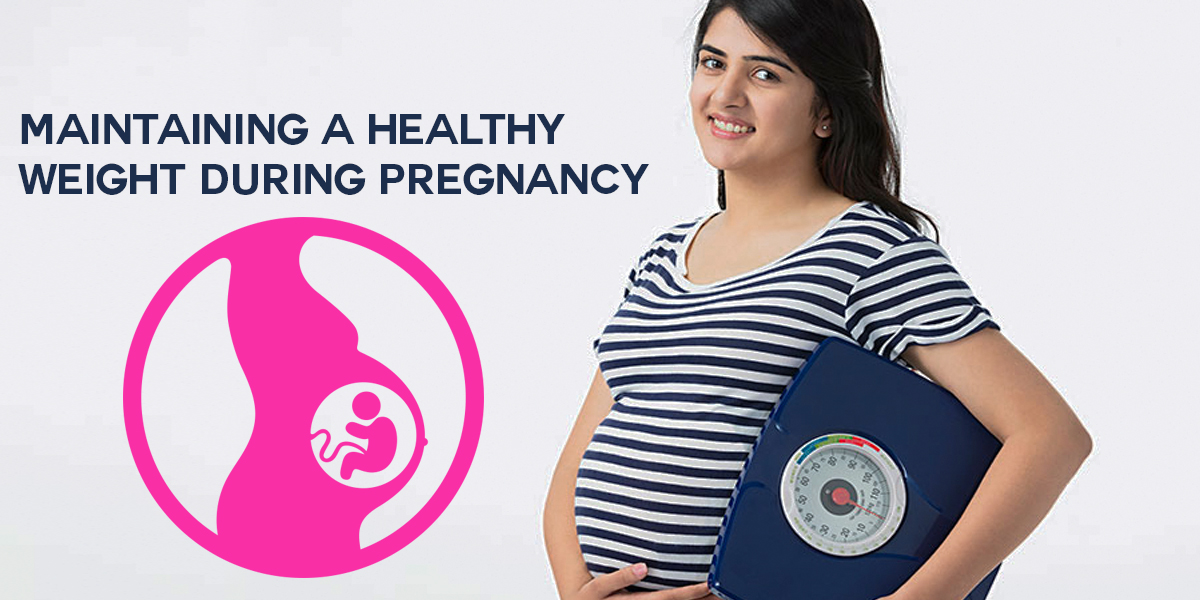
Hydration, balanced macronutrient intake, and avoidance of processed foods or excessive sugar are also critical for healthy weight gain and metabolic health during pregnancy.
Lifestyle Considerations
Lifestyle choices impact both maternal and fetal health:
- Exercise: Moderate physical activity, such as walking, swimming, or prenatal yoga, improves circulation, reduces back pain, and enhances mood.
- Avoiding harmful substances: Smoking, alcohol, and illicit drugs increase the risk of preterm birth, low birth weight, and congenital anomalies.
- Stress management: Meditation, mindfulness, and social support mitigate stress-related complications.
- Sleep hygiene: Adequate rest supports hormonal balance and fetal growth.
Evidence shows that a holistic approach integrating medical care, nutrition, and lifestyle improvements significantly reduces pregnancy-related complications.
Common Pregnancy Complications and Management
While most pregnancies progress normally, certain complications may arise, requiring timely medical attention.
Gestational Diabetes
Gestational diabetes is characterized by high blood sugar levels during pregnancy. Risk factors include obesity, advanced maternal age, and family history of diabetes. Management strategies include dietary modifications, regular glucose monitoring, and, if needed, insulin therapy.
Preeclampsia
Preeclampsia involves high blood pressure and potential organ dysfunction, most often affecting the liver and kidneys. Symptoms may include swelling, headaches, and vision changes. Early detection through routine blood pressure monitoring and urine protein analysis is crucial to prevent serious complications.
Preterm Labor
Preterm labor occurs before 37 weeks of gestation and may result in premature birth. Risk factors include infections, multiple pregnancies, and uterine abnormalities. Interventions may involve hospitalization, medications to delay labor, and specialized neonatal care.
Fetal Growth Restriction
Also known as intrauterine growth restriction (IUGR), this condition involves inadequate fetal growth. Monitoring via ultrasound, maternal nutrition optimization, and timely delivery planning are essential to prevent adverse outcomes.
Labor and Delivery
Labor is the culmination of pregnancy, involving physiological, hormonal, and psychological changes.
Stages of Labor
- First stage: Cervical dilation and effacement occur, often accompanied by contractions.
- Second stage: Delivery of the baby, assisted by maternal pushing and medical support.
- Third stage: Delivery of the placenta and initiation of postpartum recovery.
Pain management options include epidural anesthesia, nitrous oxide, and non-pharmacological techniques such as breathing exercises, water immersion, or massage.
Delivery Methods
- Vaginal delivery: Preferred for uncomplicated pregnancies, supporting maternal recovery and optimal neonatal respiratory adaptation.
- Cesarean section: Recommended for medical indications such as fetal distress, placental abnormalities, or prolonged labor. Postoperative care includes pain management, wound care, and monitoring for infection.
Postpartum Care
The postpartum period is critical for maternal recovery and newborn adaptation.
- Physical recovery: Monitoring for bleeding, infection, or uterine involution.
- Breastfeeding support: Encourages infant nutrition, immunity, and maternal-infant bonding.
- Mental health: Screening for postpartum depression and anxiety ensures emotional well-being.
- Contraception counseling: Helps prevent unintended pregnancies and supports maternal health planning.
Comprehensive postpartum care ensures smooth transition from pregnancy to parenthood.
Evidence-Based Tips for a Healthy Pregnancy
- Begin prenatal care as soon as pregnancy is confirmed.
- Maintain balanced nutrition with adequate supplementation.
- Stay physically active under medical guidance.
- Avoid smoking, alcohol, and recreational drugs.
- Manage stress through relaxation techniques and social support.
- Attend regular prenatal check-ups and adhere to recommended screenings.
- Educate yourself about labor, delivery, and postpartum care.
Frequently Asked Questions (FAQ)
How early should I start prenatal care?
Prenatal care should begin as soon as pregnancy is confirmed, ideally within the first 8 weeks, to identify risks and establish a care plan.
Is it safe to exercise during pregnancy?
Yes, moderate-intensity exercise is safe for most pregnancies and provides benefits for both mother and fetus. Always consult your healthcare provider before starting new activities.
Can diet alone prevent pregnancy complications?
While proper nutrition reduces risk, it cannot eliminate all complications. Prenatal care, monitoring, and lifestyle choices collectively ensure better outcomes.
How much weight gain is normal during pregnancy?
Weight gain depends on pre-pregnancy BMI. On average, women gain 25–35 pounds during a single pregnancy, though individualized guidance is essential.
What are signs of high-risk pregnancy?
High-risk signs include severe hypertension, gestational diabetes, abnormal fetal growth, bleeding, or persistent pain. Immediate medical attention is required for such conditions.
When should I prepare for childbirth classes?
Childbirth education can begin in the second trimester, allowing time to learn about labor, pain management, breastfeeding, and newborn care.
Can mental health affect pregnancy outcomes?
Yes, maternal stress, anxiety, or depression can influence pregnancy outcomes. Psychological support, counseling, and stress management strategies are recommended.