Yoga: A Comprehensive Exploration of Its Philosophy, Practice, and Benefits
Yoga is more than just a series of physical exercises; it is a holistic practice that integrates body, mind, and spirit. Rooted in ancient Indian philosophy, yoga has evolved over thousands of years to become a global practice embraced for its physical, mental, and emotional benefits. Its widespread appeal lies in its adaptability, offering tools for stress management, physical fitness, and personal growth. Understanding yoga requires delving into its history, various styles, practical applications, and evidence-backed benefits.
Origins and Philosophy of Yoga
The origins of yoga trace back over 5,000 years to the Indus Valley civilization in India. Early references to yoga appear in ancient texts such as the Vedas and Upanishads, where it was described as a spiritual discipline aimed at self-realization and union with the divine. The term “yoga” itself is derived from the Sanskrit root yuj, meaning “to unite” or “to join,” reflecting the fundamental goal of integrating body, mind, and spirit.
Yoga is traditionally categorized into several key paths, each emphasizing a different approach to self-improvement and enlightenment:
- Raja Yoga: Known as the “royal path,” this form focuses on meditation and mastery of the mind through ethical practices, concentration, and self-discipline.
- Hatha Yoga: Emphasizes physical postures (asanas) and breath control (pranayama) to prepare the body for meditation.
- Karma Yoga: Centers on selfless service and ethical action as a path to spiritual growth.
- Bhakti Yoga: Focuses on devotion and love for a higher power, often expressed through rituals and chanting.
- Jnana Yoga: Pursues knowledge and wisdom as a route to liberation.
Each of these paths highlights the multifaceted nature of yoga, emphasizing that it is more than a mere fitness regimen—it is a comprehensive system for living well.
The Core Practices of Yoga
Yoga encompasses a wide range of practices designed to harmonize physical and mental health. While often associated with physical postures, the practice extends into meditation, breathwork, and ethical living.
Asanas: The Physical Postures
Asanas are the physical postures of yoga, designed to enhance flexibility, strength, and balance. Unlike conventional exercise, yoga postures are often held for extended periods, encouraging mindfulness and body awareness. Some widely practiced asanas include:
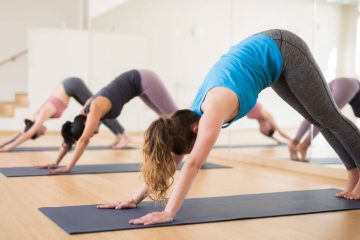
- Downward-Facing Dog (Adho Mukha Svanasana): Stretches the spine, hamstrings, and calves while strengthening the arms and shoulders.
- Warrior II (Virabhadrasana II): Enhances lower body strength and improves focus.
- Tree Pose (Vrikshasana): Promotes balance and stability while calming the mind.
- Child’s Pose (Balasana): Provides relaxation and gentle spinal stretching.
Regular practice of asanas supports musculoskeletal health, improves posture, and reduces the risk of chronic conditions such as back pain and joint stiffness.
Pranayama: Breath Control
Pranayama involves conscious regulation of breath to influence energy flow, mental clarity, and emotional equilibrium. Controlled breathing exercises stimulate the parasympathetic nervous system, reducing stress and promoting relaxation. Common pranayama techniques include:
- Nadi Shodhana (Alternate Nostril Breathing): Balances the left and right hemispheres of the brain, reducing anxiety.
- Kapalabhati (Skull-Shining Breath): Energizes the body and clears nasal passages, enhancing oxygenation.
- Bhramari (Bee Breath): Induces calmness and relieves tension through humming vibrations.
Scientific studies have demonstrated that pranayama can improve respiratory function, lower blood pressure, and reduce symptoms of depression and anxiety.
Meditation and Mindfulness
Meditation in yoga cultivates mental clarity, emotional resilience, and self-awareness. Mindfulness meditation encourages practitioners to observe thoughts and sensations without judgment, fostering a deeper connection to the present moment. Regular meditation practice has been linked to:
- Enhanced cognitive function and memory retention
- Reduced stress hormone levels
- Improved emotional regulation
- Increased resilience to pain and illness
Combining meditation with asanas and pranayama creates a synergistic effect, promoting holistic well-being.
Health Benefits of Yoga
Yoga’s benefits extend far beyond flexibility and muscle tone. Contemporary research has documented a wide array of physiological and psychological improvements associated with consistent yoga practice.
Physical Health Benefits
- Improved Flexibility and Strength: Regular asana practice lengthens muscles, enhances joint mobility, and builds functional strength.
- Cardiovascular Health: Certain forms of yoga, such as Vinyasa and Ashtanga, elevate heart rate, improving cardiovascular endurance.
- Pain Management: Yoga has been shown to alleviate chronic pain conditions, including lower back pain, arthritis, and migraines.
- Enhanced Immunity: Mindful breathing and stress reduction improve immune function and lower inflammatory markers.
Mental and Emotional Health Benefits
- Stress Reduction: Yoga reduces cortisol levels, promoting relaxation and emotional balance.
- Anxiety and Depression Relief: Mindfulness and breath control help manage symptoms of anxiety and depression.
- Improved Sleep Quality: Yoga promotes relaxation and regulates the sleep-wake cycle, enhancing sleep duration and quality.
- Cognitive Enhancement: Meditation and focused asana sequences improve attention, memory, and problem-solving skills.
Spiritual and Lifestyle Benefits
- Self-Discipline and Mindfulness: Regular practice fosters intentional living and self-reflection.
- Emotional Resilience: Yoga equips individuals to respond to stressors with calmness and adaptability.
- Community and Connection: Group classes cultivate social bonds and a sense of belonging.
Different Styles of Yoga
Yoga has diversified into numerous styles, each catering to specific goals and fitness levels. Understanding these styles allows practitioners to choose a path aligned with their needs:
- Hatha Yoga: Focuses on foundational postures and breathwork, suitable for beginners.
- Vinyasa Yoga: Emphasizes fluid movement synchronized with breath, providing cardiovascular benefits.
- Ashtanga Yoga: A rigorous, structured sequence that builds strength, endurance, and flexibility.
- Bikram/Hot Yoga: Conducted in heated rooms to promote detoxification through sweating.
- Iyengar Yoga: Prioritizes alignment and precision, often using props to aid postures.
- Kundalini Yoga: Integrates dynamic movements, chanting, and meditation to awaken spiritual energy.
Selecting the right style depends on individual objectives, fitness levels, and personal preferences.
Integrating Yoga Into Daily Life
The transformative power of yoga is amplified when incorporated into daily routines. Practical strategies for integration include:
- Morning Practice: Starting the day with 15–30 minutes of asanas and pranayama energizes the body and sharpens focus.
- Workplace Mindfulness: Short meditation breaks or mindful breathing sessions during work hours reduce stress and boost productivity.
- Evening Wind-Down: Gentle yoga sequences before bedtime promote relaxation and better sleep.
- Lifestyle Alignment: Combining yoga with healthy nutrition, hydration, and mindful habits maximizes benefits.
Yoga for Special Populations
Yoga can be adapted to meet the needs of various populations, including:
- Pregnant Women: Prenatal yoga supports posture, reduces back pain, and prepares the body for labor.
- Older Adults: Gentle yoga improves balance, mobility, and reduces fall risk.
- Children and Adolescents: Yoga enhances concentration, emotional regulation, and physical fitness.
- Individuals with Chronic Illnesses: Tailored practices can alleviate symptoms of diabetes, heart disease, and autoimmune conditions.
Healthcare providers increasingly recognize yoga as a complementary therapy for managing chronic health conditions.
Evidence-Based Research on Yoga
Scientific research has reinforced the credibility of yoga as a health-promoting practice:
- A 2018 meta-analysis found that yoga interventions significantly reduced symptoms of anxiety and depression.
- Studies published in the Journal of Pain confirm that yoga reduces chronic lower back pain and improves mobility.
- Research in the International Journal of Yoga indicates that yoga practice improves cardiovascular markers such as blood pressure and heart rate variability.
- Neuroimaging studies reveal that consistent meditation and yoga practice increase gray matter density in brain regions associated with memory, learning, and emotional regulation.
These findings underscore yoga’s role as both a preventive and therapeutic tool for overall wellness.
Modern Adaptations and Global Influence
Yoga has transcended cultural boundaries and evolved to fit contemporary lifestyles. Fitness centers, corporate wellness programs, and online platforms offer accessible yoga practices for diverse populations. Digital tools, such as apps and virtual classes, enable personalized guidance, real-time feedback, and community support, making yoga more inclusive than ever.
Despite its global adaptation, maintaining the philosophical roots of yoga ensures that practitioners receive its full benefits, fostering mindfulness, ethical living, and inner growth alongside physical well-being.
Conclusion
Yoga is a multidimensional practice that nurtures body, mind, and spirit. Its ancient roots, diverse methodologies, and evidence-based benefits make it a versatile and powerful tool for health and personal development. By integrating yoga into daily life, individuals can achieve physical fitness, emotional resilience, mental clarity, and spiritual awareness. Yoga is not merely an exercise routine; it is a lifelong journey toward balance, harmony, and holistic well-being.
Frequently Asked Questions (FAQs)
Q1: How often should I practice yoga to see benefits?
Practicing yoga
3–5 times per week for 30–60 minutes typically yields noticeable physical and mental benefits. Even short daily sessions of 15–20 minutes can produce improvements in flexibility, stress management, and mindfulness.
Q2: Is yoga safe for people with chronic health conditions?
Yes, yoga can be adapted for chronic conditions such as diabetes, hypertension, or arthritis. Working with a certified instructor and modifying poses ensures safety and effectiveness.
Q3: Can yoga help with weight management?
Certain dynamic styles like Vinyasa, Ashtanga, and Power Yoga provide cardiovascular benefits and muscle toning, which can support weight management when combined with a balanced diet.
Q4: How long does it take to experience mental health benefits from yoga?
Many individuals notice reduced stress, improved mood, and better focus after just a few weeks of consistent practice. Long-term benefits, including enhanced emotional resilience, develop with sustained practice over months or years.
Q5: Do I need special equipment for yoga?
A yoga mat, comfortable clothing, and optional props such as blocks or straps are usually sufficient. Some styles may require specific equipment, but most practices are highly accessible.
Q6: Can beginners practice yoga at home?
Absolutely. Beginners can start with simple routines, online tutorials, or guided videos. However, initial supervision by a qualified instructor can prevent injury and ensure proper alignment.
Q7: What is the best style of yoga for stress relief?
Hatha, Yin, Restorative, and Kundalini yoga are particularly effective for stress reduction due to their focus on relaxation, gentle stretching, and meditation techniques.
Yoga offers a timeless pathway to wellness, providing practical tools for enhancing physical health, mental clarity, and emotional balance. Integrating yoga into daily life creates a foundation for holistic well-being and sustained personal growth.