Why Dance Cardio Can Make Fitness Feel More Sustainable
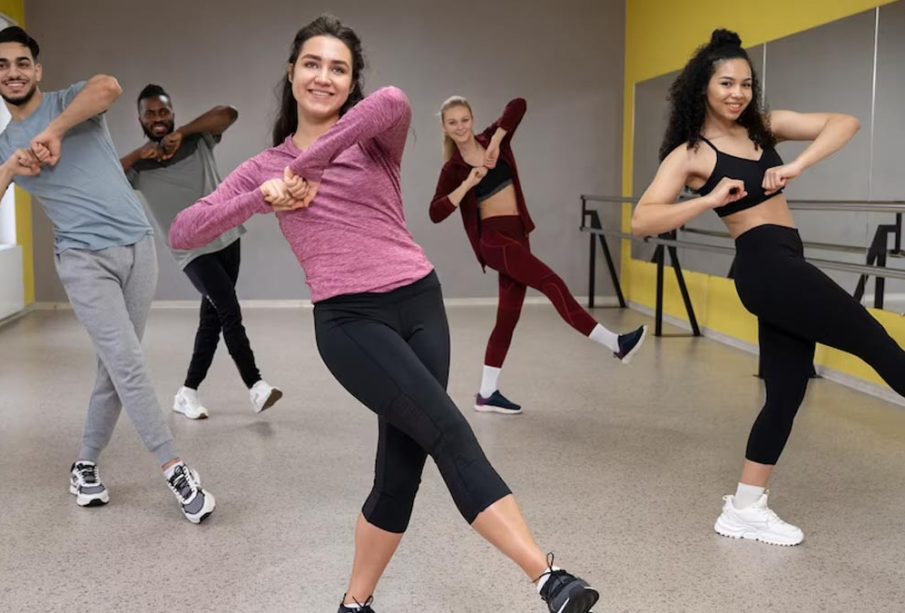
A fitness routine becomes easier to maintain when it feels enjoyable enough to repeat. Many people start with strict plans, intense workouts, or gym routines that look good on paper but feel hard to continue. The problem is not always discipline. Sometimes the workout style simply does not match the person’s personality, energy, or lifestyle. Dance cardio can change that because it brings rhythm, music, movement, and enjoyment into the fitness experience.
For people looking at zumba classes singapore, dance cardio can be a practical way to make exercise feel less like a task and more like a weekly activity to look forward to. It still challenges the body, raises the heart rate, improves stamina, and gets people moving, but it does so in a way that feels lively and social. That combination is one reason dance-based fitness can be easier to sustain than routines that feel repetitive or overly serious.
Why Sustainability Matters More Than Short-Term Intensity
Many people judge workouts by how exhausted they feel afterward. A hard session can feel satisfying, but intensity alone does not create long-term fitness. A routine works only if the person can keep returning.
Sustainable fitness depends on repeatability. The best workout is not always the hardest one. It is the one a person can do regularly without losing interest, feeling intimidated, or burning out.
Dance cardio supports sustainability because it adds enjoyment to effort. Music, rhythm, and movement patterns help the session feel less mechanical. Participants often notice that time passes quickly because they are following the beat instead of watching the clock.
Dance Cardio Reduces the Mental Barrier to Exercise
Some workouts feel intimidating before they even begin. People may worry about lifting weights incorrectly, running too slowly, or not knowing how to use equipment. Dance cardio feels more approachable for many people because the focus is movement, energy, and participation.
A person does not need to be a professional dancer to join. The purpose is not perfect choreography. The purpose is to move, sweat, follow the instructor, and improve over time.
This lower mental barrier helps people show up more often, especially if they have struggled with traditional gym routines.
Music Creates Natural Motivation
Music is one of the strongest parts of dance cardio. A good playlist can change mood quickly. It gives the body something to follow and helps people stay engaged through the session.
Instead of thinking about how many minutes remain, participants focus on the next song, the next movement, and the energy in the room. This makes effort feel more enjoyable.
Music also helps create emotional connection. People may return to class not only for fitness, but because they enjoy the atmosphere.
Cardio Becomes Less Repetitive
Traditional cardio can feel repetitive for some people. Treadmills, bikes, and rowing machines are useful, but not everyone enjoys machine-based exercise. Dance cardio offers a different route to cardiovascular training.
The body still works. The heart rate rises. Breathing becomes more active. Muscles move repeatedly. But the experience feels more varied because steps, rhythms, and songs change throughout the class.
This variety helps prevent boredom, which is one of the biggest reasons people quit exercise routines.
Dance Cardio Supports Coordination
Dance cardio is not only about sweating. It also trains coordination. Participants learn to move arms and legs together, respond to rhythm, change direction, and follow patterns. This challenges the brain and body at the same time.
At first, some people may feel awkward. That is normal. Coordination improves through repetition. Over time, movements become smoother, and confidence grows.
This skill-building element can make dance cardio more rewarding than simple calorie-focused workouts.
It Can Fit Different Fitness Levels
A good dance cardio class can serve different ability levels because participants can adjust intensity. Someone newer can keep movements smaller, step instead of jump, and rest when needed. Someone more experienced can add bigger movements, sharper rhythm, and more energy.
This flexibility helps people feel included. They do not need to match the most energetic person in the room. They only need to work at a level that feels challenging but manageable.
Fitness becomes more sustainable when people feel allowed to progress gradually.
The Social Energy Helps People Return
Dance cardio classes often create a strong sense of group energy. Participants move together, follow the same music, and share the same upbeat atmosphere. This can make exercise feel less lonely.
The social element does not need to be intense. People do not need to talk much to feel part of the room. Simply being around others who are moving with the same purpose can be motivating.
That feeling can help people return week after week.
Stress Relief Is Part of the Appeal
Dance cardio can also help people mentally reset. After a long day of work, screens, or responsibilities, music and movement can shift attention away from stress. The class gives people permission to stop thinking and move.
This emotional benefit matters. People are more likely to continue workouts that make them feel better mentally, not only physically.
A routine that improves mood has a stronger chance of lasting.
It Works Well for Busy Singapore Lifestyles
Singapore’s pace can make fitness difficult. Long workdays, humid weather, commuting, and social commitments all compete with exercise. Dance cardio classes offer a clear session format and a fixed time, which helps people plan better.
Indoor dance cardio is also practical because it avoids outdoor heat and rain. Participants can train in a controlled environment while still getting an energetic workout.
This makes dance fitness especially suitable for people who want cardio without depending on outdoor conditions.
Dance Cardio Should Still Be Balanced
Dance cardio is valuable, but a complete fitness routine should include more than one style of training. Strength training, mobility, and recovery also matter. Dance cardio can be a strong part of the week, especially when paired with resistance training and stretching.
A practical weekly routine may include dance cardio once or twice, strength training twice, and one lower-intensity mobility or yoga session. The right mix depends on goals and recovery.
Sustainability comes from balance.
Choosing the Right Dance Cardio Class
The right class should feel energetic, well led, and welcoming. The instructor should give clear cues, offer lower-impact options, and create a positive atmosphere. Participants should feel encouraged, not judged.
People should also consider schedule. A class that fits naturally into the week is more useful than one that requires constant effort to attend.
For those comparing dance cardio options, True Fitness Singapore may be relevant when looking for a structured indoor fitness environment with class variety and energetic group training.
FAQ
Do dance cardio classes count as real cardio?
Yes. Dance cardio can raise heart rate, improve stamina, and support cardiovascular fitness when done consistently.
Do people need dance experience to join?
No. Most dance cardio classes are designed for general fitness, not professional dance performance.
Can dance cardio help with weight management?
It can support weight management when combined with consistent activity, strength training, balanced nutrition, and recovery.
How often should someone attend dance cardio classes?
One to three times per week can work well for many people, depending on goals, fitness level, and recovery.