How Smart Gyms Are Changing Singapore’s Fitness Landscape
The Evolution of Gym Culture in Singapore
Over the past decade, Singapore’s fitness industry has shifted from traditional workout spaces to technology-integrated, personalised fitness ecosystems. As urban lifestyles became busier, people started seeking smarter, more efficient ways to train. The rise of best gym Singapore facilities reflects this evolution. These gyms now focus on data-driven workouts, hybrid memberships, and interactive training experiences that meet modern needs.
Today’s gym-goers expect more than weights and treadmills. They want digital guidance, accountability, and tangible results. The fitness culture in Singapore is becoming smarter because technology is no longer an add-on but a core part of the experience.
Understanding What Makes a Gym “Smart”
A smart gym integrates technology to make every aspect of fitness measurable, trackable, and optimised. From digital check-ins and AI-based fitness assessments to wearable connectivity and app-driven routines, smart gyms transform how people engage with fitness. These are not just fancy features but systems that make workouts more goal-oriented and efficient.
Key components of smart gyms include:
-
AI-powered fitness tracking: Machines that record performance metrics like repetitions, heart rate, and recovery time.
-
Smart wearables: Devices that sync with gym equipment and mobile apps to track real-time progress.
-
Virtual coaching: Trainers who use video calls and apps to guide workouts remotely.
-
Data dashboards: Personalised dashboards that analyse improvement trends and identify weaknesses.
Together, these technologies make gyms more adaptable, helping users customise workouts to their fitness goals without guesswork.
Why Singapore Is the Ideal Market for Smart Gyms
Singapore’s urban infrastructure, tech-savvy population, and government focus on health make it a natural hub for smart fitness growth. Residents are open to innovation and expect high standards of convenience. Many professionals balance long working hours, and smart gyms help them save time while achieving measurable results.
The country’s fitness scene has also benefited from:
-
Compact city design: Easy access to gyms located within malls, office towers, or residential hubs.
-
Government health initiatives: Campaigns like “National Steps Challenge” encouraging technology use in active lifestyles.
-
High disposable income: Allowing investment in premium gym memberships and fitness wearables.
-
Corporate wellness programmes: Many companies now include fitness perks or gym access in employee benefits.
These factors together drive Singaporeans toward gyms that integrate digital tools with physical workouts, offering flexibility and precision.
How Smart Equipment Is Redefining Workouts
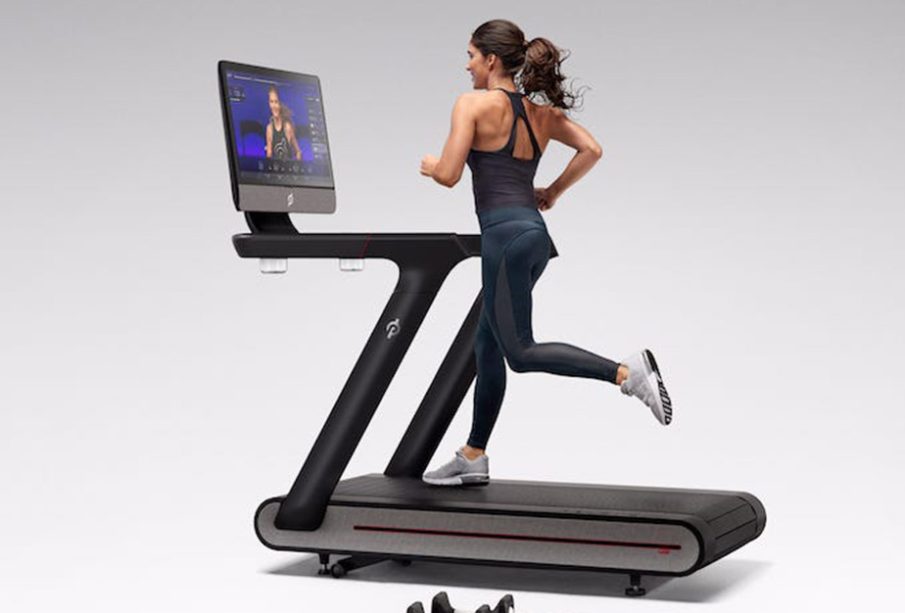
Modern fitness equipment now adapts to the user instead of the other way around. Machines are equipped with sensors and digital interfaces that guide users through routines. They automatically adjust resistance, log performance data, and even offer real-time feedback on posture.
Examples include:
-
Treadmills with heart-rate training zones that automatically modify incline and speed.
-
Strength machines that track progress through integrated chips.
-
Connected bikes that simulate outdoor terrains and sync with virtual competitions.
This kind of feedback system encourages consistency and accountability. People no longer need to rely solely on memory or manual tracking apps. The gym itself becomes a coach, collecting data every time a workout is completed.
The Rise of Fitness Apps and Connected Ecosystems
The smart gym concept extends beyond physical facilities. Fitness apps now play a central role in maintaining workout discipline. Members can book sessions, track calories, monitor sleep, and connect with trainers through one interface.
Gyms are moving toward creating ecosystems that merge physical and digital experiences. For example, a person may complete an in-gym workout, then receive app-based follow-ups with nutrition tips and recovery plans. This creates a continuous loop of motivation and engagement, helping members stay committed even outside the gym.
Personalisation Through Data Analytics
One of the biggest benefits of smart gyms is data-driven personalisation. Every workout generates valuable insights about endurance, strength, and flexibility. Trainers use this information to design customised programmes, ensuring that no two fitness journeys are identical.
This approach helps users:
-
Set realistic, measurable goals
-
Avoid overtraining or injury
-
Monitor calorie burn and recovery rate
-
Track improvements over weeks or months
In a city where time is precious, such personalisation ensures that every minute spent at the gym contributes directly to meaningful progress.
Smart Gyms and Sustainability
Sustainability has also become part of Singapore’s gym transformation. Many modern facilities integrate eco-friendly lighting, energy-saving machines, and waste reduction initiatives. Some gyms even use kinetic energy generated by exercise to power lights or equipment.
This commitment to sustainability aligns with Singapore’s broader green initiatives, creating a more responsible fitness culture that considers both health and the environment.
The Social Dimension: Building Digital Communities
While technology personalises workouts, it also strengthens community engagement. Smart gyms use apps and online platforms to create social connections among members. These communities share achievements, track leaderboards, and motivate each other to stay consistent.
For example:
-
Virtual challenges where members compete for milestones.
-
Community leaderboards that celebrate consistency.
-
In-app progress sharing with friends or workout partners.
This social connection is particularly important in Singapore’s fast-paced environment, where motivation can easily fade. The sense of belonging within a digital gym community helps members sustain their enthusiasm.
How True Fitness Singapore Embodies the Smart Gym Evolution
Among Singapore’s modern gyms, True Fitness Singapore stands out for adopting a smart approach to fitness. It focuses on combining advanced equipment with professional coaching and technology-enabled support. The gym offers an environment where innovation meets personal care, allowing members to benefit from structured progress and expert guidance.
Through connected machines, flexible class bookings, and health-oriented programming, the facility integrates all aspects of smart fitness under one roof. It is not just about working out but building a complete lifestyle supported by technology, discipline, and community.
How Smart Gyms Are Reshaping the Trainer’s Role
Technology does not replace trainers; it enhances their capability. Smart tools allow trainers to focus on form, motivation, and strategy instead of spending time manually tracking performance.
Trainers can now:
-
Review a member’s progress digitally before sessions.
-
Adjust programmes based on live data.
-
Offer hybrid training (in-person and virtual).
-
Share automated reports that highlight achievements.
This modern coaching model ensures every client receives continuous guidance, whether training at the gym or remotely.
Integrating AI and Virtual Reality into Fitness
The next wave of gym technology in Singapore will focus on AI and virtual reality. AI will continue to refine data analysis, predict performance trends, and suggest precise recovery timelines. Meanwhile, VR will enhance engagement, turning workouts into immersive experiences such as cycling through virtual landscapes or boxing with simulated opponents.
Such immersive technologies make exercise fun and addictive. They are particularly appealing to younger generations who value novelty and gamified experiences. The combination of physical exertion with virtual stimulation makes fitness sustainable in the long run.
Overcoming Challenges in Smart Gym Adoption
While smart gyms are growing rapidly, they still face challenges. Some people find the technology intimidating or unnecessary. Others may be concerned about privacy, data storage, or the learning curve associated with new systems.
To address this, gym operators must focus on:
-
Simplifying user interfaces.
-
Providing tutorials or guided onboarding.
-
Ensuring data protection.
-
Combining technology with human interaction.
By maintaining this balance, smart gyms can continue to expand without alienating traditional fitness enthusiasts.
The Future of Fitness in Singapore
The smart gym model aligns perfectly with Singapore’s national focus on digital transformation and wellness. As technology becomes more affordable and integrated into daily life, fitness facilities will evolve into lifestyle hubs. Members will not just come to exercise but to track their health, meet like-minded people, and maintain long-term wellbeing.
With continuous innovation in wearable tech, nutritional tracking, and AI analysis, gyms will become the ultimate partners in personal health management.
Frequently Asked Questions (FAQ)
Q1: How does a smart gym differ from a regular gym?
A smart gym uses connected equipment, apps, and AI-driven tools to make workouts measurable and efficient. Unlike regular gyms, it focuses on tracking, feedback, and personalisation.
Q2: Are smart gyms suitable for beginners?
Yes, but they particularly benefit those who want structured guidance and data-backed results. Most systems are user-friendly and can be tailored to any fitness level.
Q3: What are the costs associated with joining a smart gym in Singapore?
Memberships vary depending on facilities and services offered. While prices may be slightly higher, the value comes from enhanced tracking, personalised coaching, and hybrid flexibility.
Q4: How do wearables integrate with smart gym equipment?
Wearables sync with machines and apps to record heart rate, calories burned, and movement patterns. This integration helps create a complete picture of each member’s performance.
Q5: Can I still get a personalised training plan without a personal trainer?
Yes. Smart gym software can generate AI-based training plans based on your goals and past data, though many users still prefer human trainers for accountability.
Q6: What makes True Fitness Singapore a modern smart gym choice?
True Fitness Singapore combines advanced technology with professional expertise. It delivers connected workouts, data-driven progress tracking, and a community-based approach that encourages consistency.
Q7: How is smart gym technology expected to evolve in the next few years?
Expect deeper AI integration, better virtual training environments, and real-time body analytics. These developments will make fitness more interactive, accurate, and enjoyable.