The Benefits of Making Yoga a Regular Practice
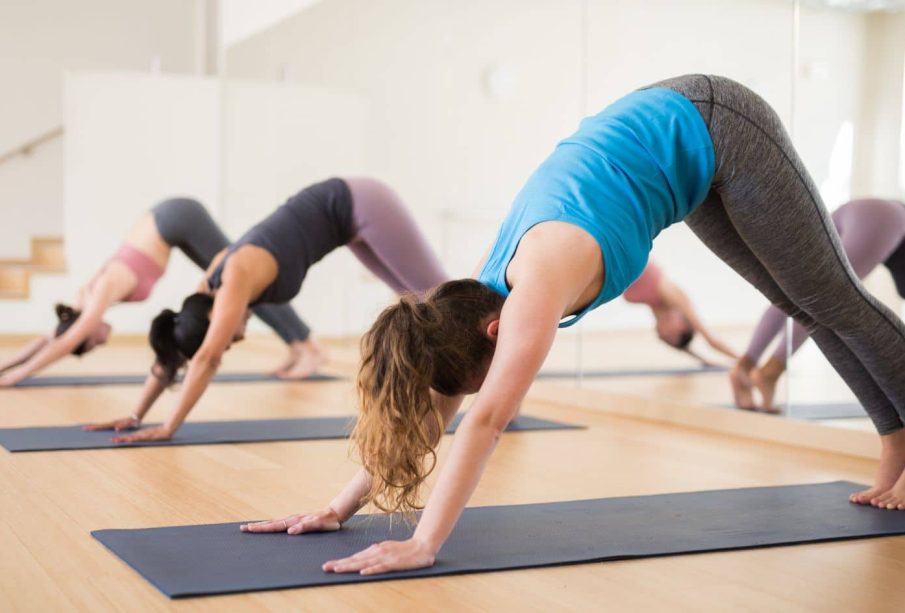
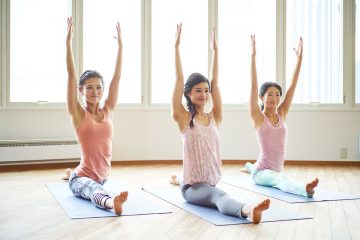
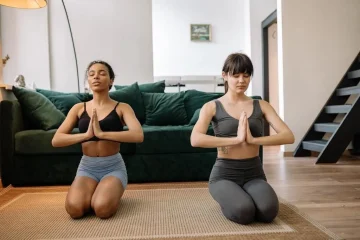
Yoga has become a popular form of physical activity because it combines movement with breathing, balance, concentration, and relaxation. Unlike exercise routines that focus mainly on speed or intensity, yoga encourages people to pay attention to how their bodies move and respond.
A regular yoga practice can fit into many lifestyles. It can be performed at home, in a class, outdoors, or as part of a broader fitness routine. The important factor is choosing an approach that feels comfortable and sustainable.
Yoga Supports Physical Fitness
Yoga involves a wide range of movements and postures that can challenge different areas of the body. Some poses require muscular strength, while others focus on balance, flexibility, or controlled movement.
Regular practice may help people become more comfortable with everyday physical activities. Simple movements can gradually improve body awareness and encourage better control.
Yoga can also complement other forms of exercise. Someone who enjoys running or cycling, for example, may use yoga to include more stretching and mobility work in their weekly routine.
Improving Flexibility
Flexibility can change with age, activity level, and lifestyle. Long periods of sitting and limited movement may contribute to stiffness.
Yoga includes many gentle stretches that encourage the body to move through comfortable ranges of motion. With regular practice, some people may find that certain movements become easier.
Flexibility should always be developed gradually. Trying to force the body into a deeper position can be counterproductive. Comfortable and controlled movement is more important than achieving a particular pose.
Developing Better Balance
Balance is an important part of everyday movement. It helps people walk, change direction, climb stairs, and perform many other activities confidently.
Yoga includes standing and single-leg poses that require concentration and stability. Practising these movements can encourage greater awareness of body position.
Balance exercises can also be modified. Beginners may use a wall or other stable support until they become more comfortable.
Building Functional Strength
Some yoga poses require the body to support its own weight. Holding a position can engage the legs, arms, shoulders, back, and core.
This type of training can contribute to muscular endurance and stability. It may also complement traditional resistance training.
Yoga should not necessarily replace all forms of strength exercise, particularly for people with specific fitness goals. Instead, it can be one part of a varied exercise programme.
Encouraging Mindful Breathing
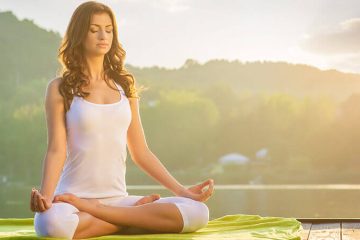
Breathing plays a central role in many yoga practices. Paying attention to each breath can help practitioners remain focused during movement.
Instead of rushing through poses, people are encouraged to coordinate breathing with controlled movements. This can make the practice feel more deliberate and calming.
Breathing awareness can also be used outside yoga sessions. Taking a few slow breaths during a busy day may provide a simple opportunity to pause and reset.
Creating Time to Relax
Daily responsibilities can make it difficult to find quiet moments. A yoga session can create dedicated time away from work, screens, and other distractions.
Gentle movement followed by relaxation can be particularly useful at the end of a busy day. It gives the body an opportunity to slow down while encouraging mental focus.
Relaxation is an important part of overall wellbeing, and yoga can provide a structured way to include it in a routine.
Yoga Can Be Adapted for Different Abilities
One of the strengths of yoga is its flexibility as a practice. Movements can often be modified according to experience, mobility, and comfort.
A beginner may use simpler versions of poses, while an experienced practitioner may explore more challenging variations.
There is no requirement to perform every pose. Selecting movements that suit your current ability can make the practice safer and more enjoyable.
Making Yoga a Consistent Habit
Consistency is usually more valuable than occasional long sessions. A person who practises for a short period several times a week may find it easier to maintain the habit than someone who attempts an exhausting session once in a while.
A simple schedule might include:
- A short morning routine
- Gentle stretching during work breaks
- A longer session several times a week
- Relaxation exercises in the evening
- Weekend practice when more time is available
The routine should be realistic enough to continue during busy periods.
Creating a Comfortable Practice Space
A suitable environment can make yoga more enjoyable. At home, a quiet area with enough space to move safely may be all that is needed.
A comfortable exercise mat can provide stability and cushioning. Loose or flexible clothing can also make movement easier.
The space does not need to be elaborate. The goal is simply to create an environment where you can focus without unnecessary distractions.
Staying Safe During Practice
Yoga may be gentle, but it still involves physical movement. Beginners should avoid forcing their bodies into unfamiliar positions.
Controlled movements and gradual progression are important. If a pose causes sharp pain or significant discomfort, it should be stopped or modified.
People with injuries, ongoing pain, or specific health concerns should seek appropriate professional guidance before beginning a new exercise routine.
Measuring Progress
Progress in yoga can take many forms. It does not have to mean performing advanced poses.
You may notice improvements in:
- Flexibility
- Balance
- Strength
- Mobility
- Breathing awareness
- Concentration
- Consistency
Recognising these changes can help maintain motivation and encourage continued practice.
Conclusion
Yoga offers a balanced approach to movement and wellbeing by combining physical activity with breathing, concentration, and relaxation. It can support flexibility, balance, strength, mobility, and body awareness when practised appropriately.
The most effective routine is one that fits comfortably into everyday life. By starting at a suitable level, practising consistently, and respecting personal limits, yoga can become a valuable long-term habit that supports a healthier and more active lifestyle.