Yoga: A Practical Approach to Physical and Mental Wellbeing
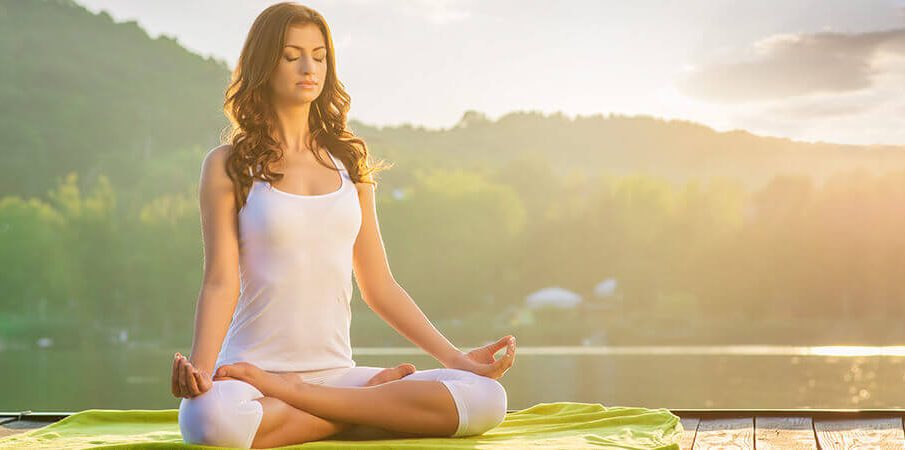
Yoga is a form of physical and mindful practice that combines movement, controlled breathing, balance, and relaxation. It has become popular among people of different ages and fitness levels because it can be adapted to individual abilities and goals.
Unlike some forms of exercise that focus mainly on intensity or performance, yoga often encourages people to pay attention to how their body feels and how they move. With regular practice, it can become a useful part of a balanced lifestyle.
What Is Yoga?
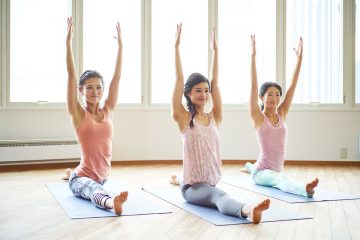
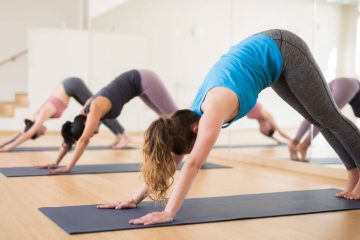
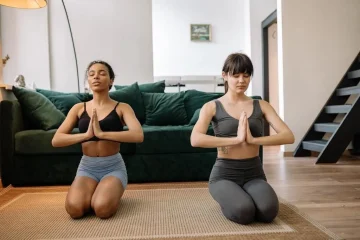
Yoga includes a variety of postures, breathing techniques, and mindful practices. Different styles can vary considerably, from gentle and relaxing sessions to more physically demanding routines.
Some practices focus on flexibility and controlled movement, while others place greater emphasis on strength, balance, breathing, or relaxation.
The versatility of yoga means that beginners do not necessarily need to be highly flexible or physically fit before starting. Exercises can often be modified to suit different abilities.
Physical Benefits of Yoga
Regular yoga practice can support several aspects of physical fitness. Many postures require controlled movement and body positioning, which can help develop strength and stability.
Yoga can also encourage flexibility by taking joints and muscles through comfortable ranges of movement. Improved mobility may make everyday activities easier for some people.
Potential physical benefits of a consistent practice include:
- Improved flexibility
- Better balance and coordination
- Greater body awareness
- Improved muscular strength
- Support for mobility
- Better posture and movement control
The results can vary depending on the style of yoga, frequency of practice, and individual circumstances.
Yoga and Stress Management
One reason many people practise yoga is its calming effect. Combining controlled movement with deliberate breathing can encourage people to slow down and focus on the present moment.
A yoga session can provide a break from work, screens, and other daily pressures. Gentle sequences followed by relaxation can create a peaceful transition between busy activities and rest.
Yoga should not be viewed as a replacement for professional care when someone is experiencing significant emotional difficulties. However, it can be a useful addition to a broader approach to wellbeing.
Breathing and Mindfulness
Breathing is an important part of many yoga practices. Paying attention to breathing can encourage greater awareness of the body and help people remain focused during movement.
Mindfulness involves paying attention to the present experience rather than becoming distracted by thoughts about the past or future.
During yoga, practitioners may focus on their breathing, posture, physical sensations, and movement. This can make the practice more than a physical workout.
Yoga for Beginners
Starting yoga does not require advanced flexibility. Beginners can begin with simple movements and gradually become more comfortable.
A beginner-friendly session may include:
- Gentle warm-up movements
- Basic standing postures
- Simple balance exercises
- Comfortable seated stretches
- Controlled breathing
- Relaxation
Using a suitable mat and wearing comfortable clothing can make practice easier.
It is important not to force the body into a position. Yoga should generally involve controlled movement rather than competing to achieve the deepest possible stretch.
Choosing a Suitable Style
There are many different approaches to yoga. Some are gentle and restorative, while others involve faster sequences and more demanding physical movements.
People looking for relaxation may prefer slower practices. Those interested in physical conditioning may enjoy more active sessions.
Beginners can explore different classes or routines and choose one that feels appropriate for their experience and goals.
Creating a Regular Routine
Consistency is often more useful than practising for long periods only occasionally. Even short sessions can become valuable when they are repeated regularly.
People with busy schedules can practise for a limited amount of time in the morning, during a break, or in the evening.
A practical routine might involve:
- Short daily stretching
- Several longer sessions each week
- Breathing exercises during breaks
- Gentle evening relaxation
- Longer weekend sessions
The best schedule is one that can be maintained comfortably.
Yoga and Posture
Modern lifestyles often involve long periods of sitting at desks or using digital devices. This can contribute to stiffness and poor movement habits.
Yoga encourages awareness of body positioning and controlled movement. Certain postures can strengthen muscles involved in maintaining stability, while stretching may help reduce feelings of stiffness.
However, posture problems can have many causes, and yoga should not be considered a universal treatment for pain or physical conditions.
Practising Safely
Although yoga is often gentle, injuries can still occur when movements are performed incorrectly or pushed beyond a person’s current ability.
Beginners should learn basic techniques before attempting advanced positions. Movements should be controlled, and discomfort should not simply be ignored.
People with existing injuries, significant pain, or particular health concerns should seek appropriate professional guidance before starting a demanding practice.
Pregnant individuals may also require modifications and should discuss suitable physical activity with an appropriate healthcare professional.
Making Yoga Part of Everyday Life
Yoga does not have to be limited to a formal class. Simple breathing exercises, stretching, balance work, and mindful movement can be incorporated into everyday routines.
A few minutes of gentle movement after sitting for a long time can provide a useful change of pace. Similarly, a short relaxation practice before bed may help create a calmer evening routine.
The broader value of yoga comes from developing awareness and consistency rather than trying to master difficult poses.
Conclusion
Yoga offers a flexible approach to physical activity and mindful wellbeing. It can support flexibility, balance, strength, body awareness, relaxation, and healthy movement habits when practised appropriately.
The key is to start at a comfortable level, choose a suitable style, practise consistently, and respect the body’s limitations. With patience, yoga can become a practical part of everyday life and complement other healthy habits such as regular exercise, balanced nutrition, adequate sleep, and professional healthcare when needed.