How Regular Exercise Can Improve Everyday Life
Exercise is an important part of a healthy lifestyle, but its value goes beyond physical fitness. Regular movement can improve how people feel, work, sleep, and manage daily responsibilities. It can strengthen the body, support mental wellbeing, and help people maintain independence as they get older.
The best approach to exercise is not necessarily the most demanding one. A practical routine that fits comfortably into everyday life is more likely to become a lasting habit.
Building a Stronger Body
Regular physical activity helps the body develop and maintain strength. Strong muscles can make ordinary activities easier, from carrying groceries to climbing stairs or playing with children.
Strength-focused activities can include bodyweight exercises, resistance training, and other movements that challenge different muscle groups. These exercises can be adjusted according to a person’s experience and ability.
Exercise can also support balance and coordination. This is especially valuable as people age, when maintaining physical stability becomes increasingly important.
Supporting Heart Health
Activities that raise the heart rate can improve cardiovascular fitness. Walking, cycling, swimming, jogging, and dancing are examples of activities that can make the heart and lungs work more efficiently.
People who are new to physical activity do not need to begin with long or intense sessions. Starting with manageable movement and gradually increasing the amount can make exercise more comfortable and sustainable.
Making movement part of a normal routine can be more beneficial than exercising intensely only once in a while.
Exercise and Daily Energy
It may seem surprising that physical activity can help people feel more energetic, but regular movement can improve overall fitness and stamina. As the body becomes accustomed to activity, everyday tasks may require less effort.
People who spend much of their day sitting can benefit from adding short periods of movement throughout the day. A brief walk, a few stretches, or simple mobility exercises can provide a useful break from prolonged sitting.
Small changes can make a meaningful difference when repeated consistently.
Improving Sleep Habits
A regular exercise routine may also support better sleep. Physical activity can help people use energy during the day and establish a healthier daily rhythm.
Exercise does not have to be intense to become part of a healthy evening routine. Walking, gentle stretching, or moderate activities can be suitable choices for many people.
Maintaining consistent sleep and activity schedules can further support a balanced lifestyle.
Managing Everyday Stress
Modern life can involve work pressure, family responsibilities, financial concerns, and many other sources of stress. Exercise provides a healthy way to take a break and focus attention on physical movement.
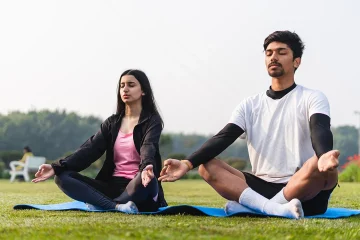
Activities such as walking outdoors, cycling, swimming, or practising yoga can provide time away from screens and demanding tasks.
Exercise can also create a sense of accomplishment. Completing a workout, even a short one, can reinforce the feeling that progress is possible through small and consistent efforts.
Choosing the Right Activity
There are many ways to stay active, so people do not need to follow the same routine. Personal interests, fitness levels, available time, and physical abilities should all be considered.
Popular options include:
- Walking or hiking
- Cycling
- Swimming
- Dancing
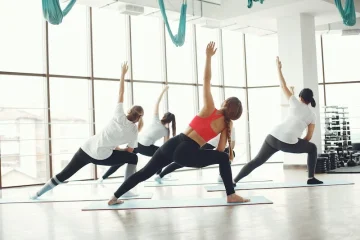
- Yoga and stretching
- Strength training
- Recreational sports
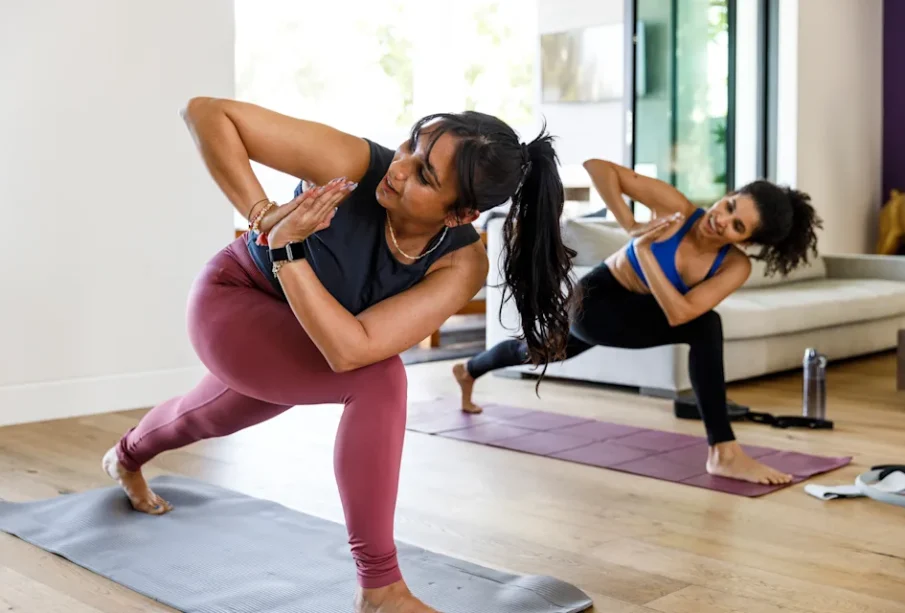
- Home-based workouts
Trying different activities can help people discover what they genuinely enjoy. Enjoyment often makes it easier to stay consistent.
Making Exercise Part of a Busy Schedule
Lack of time is one of the most common reasons people give for avoiding exercise. However, physical activity can often be divided into shorter sessions.
For example, a person could take a short walk before work, use part of their lunch break for movement, or perform a brief workout at home in the evening.
Other simple habits include:
- Taking the stairs when practical
- Walking short distances instead of driving
- Standing and moving regularly during work
- Stretching after long periods of sitting
- Planning active weekend activities
The objective is to reduce inactivity and create more opportunities for movement.
The Importance of Consistency
Starting an exercise routine is often easier than maintaining one. Motivation can change from day to day, which is why relying entirely on motivation may not work.
Creating a realistic schedule can make physical activity more automatic. Setting achievable goals also helps prevent disappointment.
Someone who is beginning a new routine might focus on exercising regularly rather than trying to achieve a specific performance target immediately. Over time, duration, strength, or intensity can be increased gradually.
Rest is also part of a sustainable routine. The body needs time to recover, particularly after challenging workouts.
Exercise Should Be Personal
Every person’s fitness journey is different. Comparing progress with other people can create unnecessary pressure. Age, experience, lifestyle, physical ability, and personal goals all influence what an appropriate exercise routine looks like.
A beginner may need short and gentle sessions, while an experienced individual may prefer more demanding training. What matters is finding an approach that is safe, realistic, and sustainable.
Anyone with a medical condition, significant injury, or specific physical limitation should seek appropriate professional advice before beginning a demanding exercise programme.
Conclusion
Exercise can become a valuable part of everyday life when approached realistically. It can support strength, stamina, mobility, sleep, stress management, and overall wellbeing without requiring complicated routines.
The most important step is simply to begin with manageable activity and build gradually. Whether it is a daily walk, a home workout, a swim, or a favourite sport, regular movement can help create healthier habits and a more active lifestyle.