Exercise: A Simple Habit for a Healthier Life
Exercise is one of the most effective ways to support overall health and wellbeing. Regular physical activity helps the body stay strong, improves energy levels, supports mental wellbeing, and can make everyday activities easier. Exercise does not always require expensive equipment or a gym membership. Walking, cycling, stretching, swimming, dancing, and many other activities can become part of a healthy routine.
The key is to choose activities that are practical, enjoyable, and suitable for your individual fitness level.
Why Exercise Is Important
The human body is designed to move. Spending too much time sitting or remaining inactive can affect physical fitness and overall wellbeing. Regular movement helps maintain muscle strength, supports healthy body weight, and keeps the body active.
Exercise can also improve stamina. As fitness improves, activities such as climbing stairs, carrying shopping, walking longer distances, or completing household tasks may become easier.
A consistent routine can provide several benefits, including:
- Improved strength and flexibility
- Better cardiovascular fitness
- Increased energy
- Support for healthy weight management
- Improved sleep quality
- Better mood and stress management
- Greater physical independence
Exercise and Mental Wellbeing
Exercise is not only beneficial for physical health. It can also support mental wellbeing. Physical activity provides an opportunity to take a break from work, responsibilities, and daily pressures.
Activities such as walking outdoors, cycling, swimming, or participating in a fitness class can create a sense of routine and achievement. Completing even a short workout can leave a person feeling more refreshed and positive.
Exercise can also be a social activity. Joining a sports group, attending a class, or exercising with friends can provide motivation and make physical activity more enjoyable.
Different Types of Exercise
There is no single type of exercise that is best for everyone. A balanced fitness routine can include different forms of movement to support various aspects of health.
Cardiovascular Exercise
Cardiovascular activities increase the heart rate and help improve endurance. Walking, jogging, cycling, swimming, and dancing are common examples.
People who are new to exercise can begin with comfortable activities and gradually increase their duration and intensity.
Strength Training
Strength exercises help develop and maintain muscles. Bodyweight movements such as squats, lunges, and push-ups can be useful, while resistance bands or weights can provide additional challenge.
Strength training can also support everyday movements and help people maintain physical capability as they age.
Flexibility and Mobility
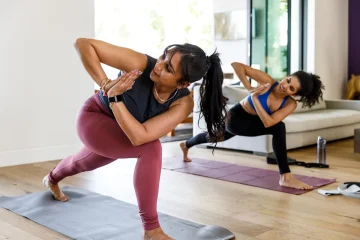
Stretching and mobility exercises help people move comfortably. Activities such as gentle stretching and yoga can support flexibility and body awareness.
Including mobility work in a routine can be particularly useful for people who spend long periods sitting.
Creating a Sustainable Exercise Routine
One of the biggest challenges is staying consistent. Many people begin with an ambitious workout schedule and quickly lose motivation because the routine feels difficult to maintain.
A better approach is to start realistically. Someone who has been inactive for a long time may benefit from short sessions rather than attempting intense workouts immediately.
Simple strategies can make exercise easier to maintain:
- Set realistic goals
- Choose activities you enjoy
- Schedule workouts at convenient times
- Begin gradually
- Track progress without becoming obsessed with numbers
- Allow time for recovery
- Change activities when your routine becomes boring
Consistency matters more than completing an occasional intense workout.
Exercise for Busy People
A busy schedule does not necessarily mean there is no time for physical activity. Small changes throughout the day can increase movement.
Walking during breaks, using stairs when practical, cycling for short journeys, or performing brief stretching sessions can all contribute to a more active lifestyle.
Short periods of activity can also be easier to fit into a demanding schedule. Instead of waiting for a completely free hour, people can look for several smaller opportunities to move during the day.
Staying Safe While Exercising
Exercise should be approached according to individual ability and experience. Starting too quickly or using poor technique can increase the risk of discomfort or injury.
A gradual warm-up can prepare the body for activity, while a suitable cool-down can help transition back to normal movement. Proper technique is particularly important during strength exercises.
People with existing health concerns, injuries, or specific physical limitations should consider getting professional guidance before starting a demanding exercise programme.
Making Exercise Enjoyable
Enjoyment is an important part of maintaining an active lifestyle. Exercise does not have to feel like a punishment. People can choose activities that fit their interests and personality.
Someone who enjoys nature may prefer hiking or outdoor walking. Another person may enjoy dancing, team sports, swimming, or strength training. Trying different activities can help identify what feels motivating and sustainable.
The goal is to create a routine that becomes a normal part of life rather than a temporary challenge.
Conclusion
Exercise is a practical way to support physical fitness, mental wellbeing, strength, mobility, and everyday energy. It does not need to be complicated or expensive. Regular movement, combined with realistic goals and adequate recovery, can make a meaningful difference over time.
The most effective exercise routine is one that can be maintained consistently. By choosing enjoyable activities and gradually building healthy habits, people can make physical activity a lasting part of a healthier lifestyle.