Yoga Singapore for Hybrid Trainers: Combining Studio Practice with Running, Strength and Racquet Sports
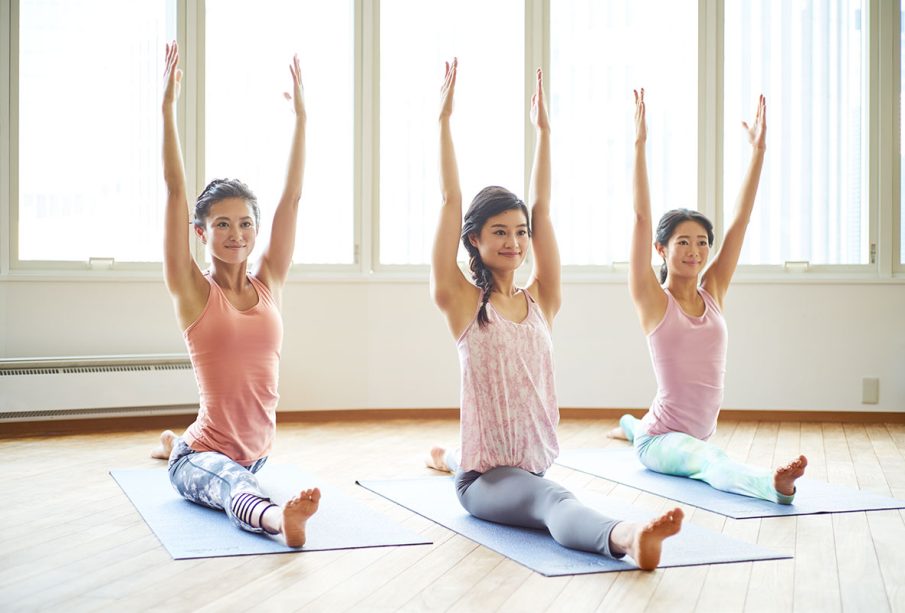
Many active adults no longer follow a single form of exercise. A normal week may include strength training, running, padel, tennis and yoga, with each activity competing for limited time and recovery.
People exploring yoga Singapore options should consider how studio practice fits into their broader training rather than treating every class as an additional workout. Yoga can support mobility, control and recovery, but poorly placed sessions can also add fatigue before an important run, lifting session or match.
Begin with the Primary Training Goal
A hybrid programme becomes difficult when every activity is treated as equally important. The practitioner should decide which quality has priority during the current training phase.
A runner preparing for a longer event may prioritise running volume and use yoga to maintain movement variety. A strength trainee may attend yoga to explore controlled range without adding another heavy resistance session.
Someone focused on racquet sports may use yoga to develop balance, trunk control and comfortable rotation. The class selection should serve that priority rather than compete with it.
Yoga Still Creates Training Load
Yoga is sometimes described as recovery regardless of the class format. This is inaccurate because dynamic flows, prolonged holds, arm balances and heated sessions can create considerable fatigue.
A demanding class placed before heavy pressing may affect shoulder performance. Long lower-body holds before speed work can leave the legs feeling tired.
Practitioners should assess yoga according to pace, duration, temperature and movement demand. The label alone does not reveal how the session will influence the rest of the week.
Coordinate Yoga with Running
Running places repeated demand on the feet, calves, knees and hips. Yoga can introduce movement in directions not emphasised during steady forward motion.
However, aggressive stretching immediately before a demanding run may not be useful. Runners often benefit more from controlled mobility and balance work that preserves strength through the available range.
A restorative class may fit after a long run, while a moderate Hatha session can work on a separate day. A challenging standing sequence is better scheduled when the legs have enough time to recover.
Account for Strength Training
Strength athletes may already expose the muscles and joints to high resistance. Their yoga practice does not always need to recreate another intense strength workout.
Classes involving repeated planks, arm balances and long isometric holds can still be productive, but they should not unintentionally overload the same areas trained in the gym.
A practitioner who completed heavy upper-body work may choose a lower-load class. Someone training legs the following morning may avoid a demanding evening sequence dominated by lunges and standing balances.
Racquet Sports Need More Than Flexibility
Padel, tennis and badminton involve acceleration, deceleration, rotation and rapid changes of direction. Greater passive flexibility alone does not guarantee better performance.
Players need control through the hips, trunk and shoulders. Yoga can contribute through single-leg balance, deliberate transitions and active mobility.
The objective should not be to reach the deepest possible twist. It should be to move through a useful range without losing control of the pelvis, ribs or supporting leg.
Avoid Repeating the Same Demand
Different activities can stress similar regions despite looking unrelated. Tennis and climbing may both fatigue the forearms, while yoga and pressing exercises can both challenge the wrists and shoulders.
A hybrid trainer should examine repeated demand rather than only exercise names. If several sessions involve substantial shoulder loading, the weekly plan may need adjustment.
Changing the yoga format can preserve attendance without repeating the same physical stress. Restorative, Yin or lower-body-focused classes may provide suitable alternatives.
Use Yoga for Active Mobility
Active mobility combines range with muscular control. This is often more useful to hybrid trainers than chasing passive flexibility alone.
A runner may be able to place the leg into a large supported stretch but struggle to control the same range while standing. Yoga positions that require balance and deliberate movement can expose this difference.
The aim is not to eliminate passive stretching. It is to balance supported range with the ability to produce and absorb force through that range.
Place Heated Yoga Carefully
Heated classes add thermal stress and increase sweating. They may feel harder even when the movement sequence is familiar.
A hot session before a long outdoor run or match can complicate hydration and recovery. It may fit better after a lighter day when the practitioner can restore fluids and rest.
Singapore’s warm climate does not make additional heat irrelevant. Practitioners should still assess how heated yoga affects their energy, sleep and next training session.
Build a Flexible Weekly Structure
A hybrid programme should use anchors rather than a rigid schedule. The most important running, strength or sports sessions can be placed first, with yoga added according to purpose.
A typical week might include one active yoga class and one restorative session. A third class can be added when recovery and time allow.
The exact arrangement should change with competition, travel, work pressure and training volume. Consistency does not require every week to contain the same number of sessions.
Monitor the Following Day
The effect of yoga is often clearer during the next workout. Practitioners should observe coordination, soreness, energy and performance.
If movement feels better and normal training remains stable, the class probably fitted the programme. If fatigue accumulates, the timing or format may need adjustment.
This feedback is more useful than relying only on how productive the yoga session felt at the time.
Let the Studio Timetable Support the Programme
The active, heated, restorative and specialised classes available through Yoga Edition allow hybrid trainers to choose sessions with different purposes. A runner, lifter and racquet-sport player do not need to use the timetable in the same way.
Yoga creates the greatest value when it fills a genuine need in the week. It can develop control, provide movement variety or reduce training demand, depending on the format selected.
Hybrid training works when the activities complement one another. By assigning each yoga class a clear role, practitioners can gain its benefits without allowing another session to compete with their primary goals.