Building a Better Fitness Routine at the Gym
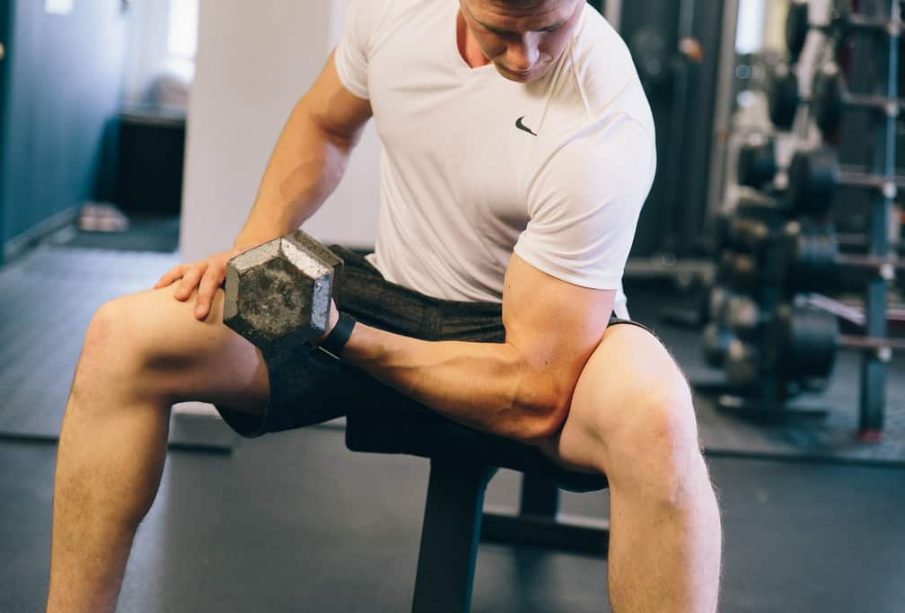
A gym can provide a structured environment for people who want to improve their fitness, develop strength, and become more physically active. With access to different machines, weights, training areas, and classes, it is possible to create a routine that matches a wide range of fitness goals.
However, effective training is not simply about spending more time exercising. A successful routine requires planning, patience, correct technique, and enough recovery. When these elements work together, gym sessions can become easier to manage and more rewarding.
Start With Your Current Fitness Level
Before beginning a new gym routine, consider your current level of fitness. Someone who has exercised regularly may be comfortable with demanding workouts, while a beginner may need more time to build basic strength and endurance.
Starting at an appropriate level can make exercise more enjoyable and reduce unnecessary fatigue. There is no benefit in trying to match the performance of experienced gym members.
A beginner can start with simple movements, light resistance, and moderate cardiovascular activity. As fitness improves, the routine can gradually become more challenging.
Plan Before You Train
Walking into a gym without a plan can make a workout feel confusing. Having a basic structure helps you use your time effectively.
A simple session could include:
- A gentle warm-up
- Cardiovascular activity
- Several strength exercises
- Mobility or stretching work
- A short cool-down
The exact routine can change according to individual goals. Someone focused on strength may spend more time on resistance exercises, while someone developing endurance may prioritise cardiovascular training.
Use Equipment Correctly
Gym equipment can be helpful, but only when it is used correctly. Take time to understand how machines are adjusted and how movements should be performed.
Using excessive resistance before developing proper technique can create unnecessary strain. It is generally better to perform an exercise correctly with manageable resistance than to use heavy weights with poor form.
If you are uncertain about an exercise, ask a qualified fitness professional for instruction.
Develop Strength Gradually
Strength training is an important part of many gym programmes. It can help maintain muscle and make everyday physical activities easier.
Exercises can target different areas of the body, including the legs, back, chest, shoulders, arms, and core.
Progress should be gradual. As your body becomes more comfortable with an exercise, you may increase resistance or repetitions according to your training plan.
Patience is important because meaningful improvements take time.
Include Cardiovascular Training
Cardiovascular exercise can improve endurance and support general fitness. Gyms commonly provide treadmills, exercise bikes, rowing machines, and other options.
You do not necessarily need to use the same machine every time. Changing activities can keep workouts interesting and allow you to work on different aspects of endurance.
Beginners can start with moderate sessions and increase duration or intensity gradually.
Pay Attention to Mobility
Strength and endurance are important, but mobility should not be overlooked. Being able to move comfortably through an appropriate range of motion can support everyday activities and exercise technique.
Gentle mobility exercises and stretching can be included before or after workouts depending on the activity.
Spending a few minutes on mobility work can also provide a useful transition between long periods of sitting and more active movement.
Give Your Body Time to Recover
Training creates physical demands on the body, making recovery an essential part of progress. Rest days allow the body to adapt and help reduce excessive fatigue.
Recovery involves more than simply taking days away from the gym. Sleep, hydration, balanced nutrition, and sensible training schedules all contribute to overall recovery.
If you experience persistent or unusual pain, it is important not to simply push through it. Appropriate professional guidance may be necessary.
Make Consistency the Priority
A perfect workout routine is not useful if it cannot be maintained. A realistic schedule is often more valuable than an ambitious plan that becomes difficult to follow.
Choose workout times that fit naturally into your week. Some people may prefer several shorter sessions, while others may have more time for fewer longer workouts.
Consistency also becomes easier when you treat exercise as part of your normal routine rather than something that only happens when you feel motivated.
Track Your Progress
Keeping track of progress can provide useful motivation. You do not need complicated technology or detailed records.
Simple notes about exercises, repetitions, resistance, workout duration, or how you felt during a session can help you see gradual improvements.
Progress can take many forms. You may notice that you can exercise longer, lift more comfortably, recover faster, or complete everyday tasks with less effort.
Make the Gym a Positive Environment
Your attitude towards exercise can influence whether you continue. A gym should be a place where you can work towards your goals without feeling pressured to compete with others.
Listening to music, training with a friend, joining a class, or trying new activities can make sessions more enjoyable.
Most importantly, focus on your own development. Fitness is a personal journey, and progress should be measured against your previous abilities rather than someone else’s performance.
Conclusion
A productive gym routine does not need to be complicated. Starting at an appropriate level, using equipment correctly, combining different types of exercise, and allowing enough recovery can create a strong foundation for long-term fitness.
Set realistic goals, remain consistent, and give yourself time to improve. With a balanced approach, regular gym training can become an enjoyable and sustainable part of a healthier lifestyle.