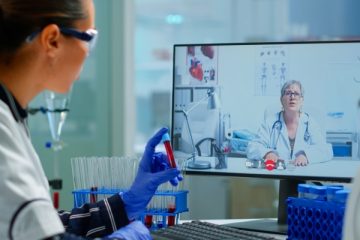
The Important Role of a Doctor in Modern Healthcare

A doctor plays an essential role in helping people maintain, improve, and protect their health. From routine check-ups to the treatment of complex illnesses, doctors use their medical knowledge and experience to understand health concerns and guide patients towards appropriate care. Their work is not limited to treating diseases; it also includes prevention, education, early detection, and long-term health management.
What Does a Doctor Do?
A doctor is a trained medical professional who examines patients, identifies possible health problems, and recommends suitable treatment. Depending on their area of specialisation, doctors may work with children, adults, older people, or patients with specific medical conditions.
During a consultation, a doctor may ask questions about symptoms, medical history, lifestyle, and daily habits. They may also perform a physical examination or recommend tests to better understand the patient’s condition.
The responsibilities of a doctor can include:
- Diagnosing illnesses and injuries
- Prescribing appropriate medicines
- Monitoring a patient’s health
- Advising patients about prevention
- Referring patients to specialists when necessary
- Supporting recovery and long-term health
Why Regular Doctor Visits Matter
Many people visit a doctor only when they feel unwell. However, regular medical appointments can be valuable even when a person feels healthy. Routine check-ups can help identify potential problems before they become more serious.
Early detection often gives patients more opportunities to manage a condition effectively. A doctor can also provide practical advice about nutrition, exercise, sleep, stress management, and other aspects of everyday health.
Regular appointments are particularly useful for people who have ongoing health concerns or risk factors that require continued monitoring. Keeping track of changes over time allows doctors to make informed decisions about future care.
Choosing the Right Doctor
Finding a suitable doctor can make healthcare more comfortable and effective. Patients should consider their individual needs when selecting a medical professional.
Important factors may include:
- The doctor’s area of expertise
- Professional qualifications and experience
- Communication style
- Location and appointment availability
- The range of services provided
- Whether the doctor listens carefully to patient concerns
A good doctor should make patients feel comfortable discussing their symptoms and asking questions. Clear communication is an important part of a productive medical relationship.
The Importance of Communication
Healthcare works best when doctors and patients communicate openly. Patients should provide accurate information about their symptoms, medications, lifestyle, and previous medical history. Even details that may seem minor can sometimes help a doctor understand the bigger picture.
Doctors also have a responsibility to explain medical information clearly. Patients should understand their diagnosis, treatment options, recommended medicines, and any important precautions. Asking questions is encouraged when something is unclear.
Good communication can help build trust and make patients more confident about managing their health.
Doctors and Preventive Healthcare
One of the most valuable roles of a doctor is helping patients prevent health problems. Preventive healthcare focuses on reducing risks before illness develops.
A doctor may recommend appropriate screenings, vaccinations, lifestyle changes, or regular monitoring based on a person’s age and individual circumstances. They can also identify habits that may increase health risks and suggest realistic improvements.
Prevention is important because maintaining good health is generally more effective than waiting until a problem becomes severe.
Technology in Modern Medical Care
Technology has changed the way doctors diagnose and treat patients. Modern medical tools can help professionals examine the body, analyse test results, maintain health records, and monitor certain conditions more efficiently.
Digital systems have also made it easier for healthcare professionals to access relevant patient information when appropriate. In some situations, remote consultations can provide patients with access to medical guidance without requiring an immediate physical visit.
Although technology can improve healthcare, professional judgement remains an important part of medical decision-making.
Building a Strong Doctor-Patient Relationship
A positive relationship between a doctor and patient is based on trust, respect, honesty, and communication. Patients are more likely to share important information when they feel heard and respected.
Doctors, in turn, need to understand that every patient has different concerns, circumstances, and expectations. Taking time to listen can help create a more personalised approach to care.
Patients can contribute to this relationship by preparing questions, following agreed treatment plans, attending recommended appointments, and reporting changes in their condition.
Conclusion
A doctor is much more than someone who treats illness. Doctors help patients understand their health, identify potential problems, prevent disease, and make informed decisions about medical care. Regular communication, appropriate check-ups, and a trusting relationship can all contribute to better healthcare experiences.
As medicine continues to develop, the role of doctors will continue to evolve. However, the central purpose remains the same: providing knowledgeable, responsible, and compassionate care that helps people live healthier and more informed lives.