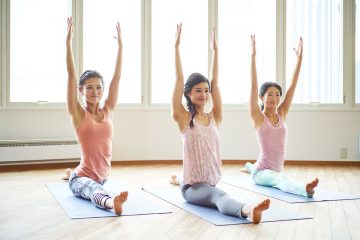
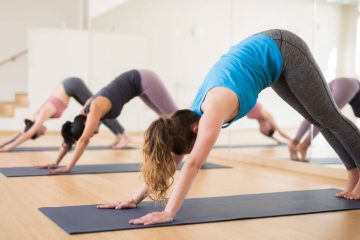
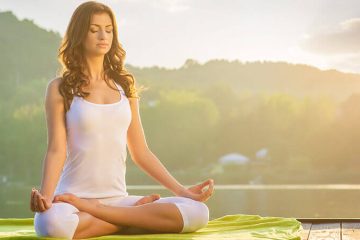
How Yoga Can Become Part of a Healthy Daily Routine
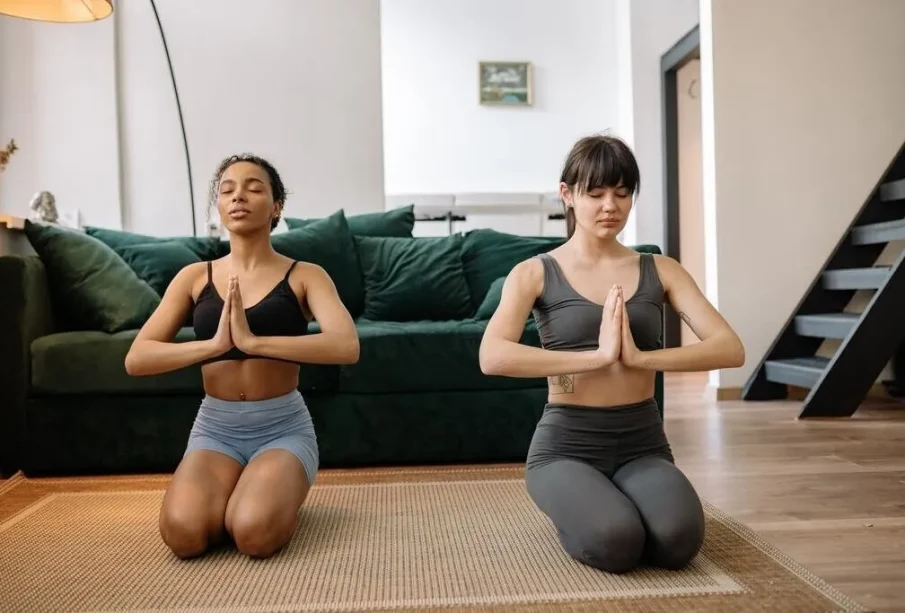
Yoga is a versatile practice that combines physical movement, breathing, balance, and relaxation. People practise it for many different reasons, including improving flexibility, developing strength, reducing everyday tension, and becoming more aware of their bodies. Because yoga can be adapted to different abilities, it can fit into many types of lifestyles.
A successful yoga routine does not require hours of practice or advanced skills. Starting with manageable sessions and building consistency can make the practice easier to maintain.
Starting Yoga as a Beginner
Beginning something unfamiliar can sometimes feel intimidating, especially when yoga classes appear to include complicated poses. However, beginners do not need to be flexible or experienced.
Basic yoga focuses on learning comfortable movements and understanding how to coordinate breathing with posture.
A beginner can start with:
- Gentle stretching
- Simple standing poses
- Basic seated movements
- Easy balance exercises
- Controlled breathing
- Short relaxation periods
The purpose at this stage is to become comfortable with movement rather than attempting advanced positions.
Improving Flexibility Gradually
Flexibility is one of the benefits commonly associated with yoga. Regular stretching can help the body become more comfortable with certain movements over time.
However, flexibility develops gradually. Trying to force a stretch can create unnecessary discomfort and may increase the risk of injury.
Instead, movements should be performed slowly and within a comfortable range. With consistent practice, some people may notice that everyday movements feel easier.
Developing Strength and Stability
Yoga is not only about stretching. Many poses require the muscles to support and stabilise the body.
Standing poses, balance positions, and controlled transitions can challenge the legs, core, shoulders, and other muscle groups.
Because yoga uses body weight and controlled positioning, it can provide a useful complement to other forms of strength training.
The Role of Breathing
Breathing is an important element of many yoga practices. Paying attention to breathing can help practitioners remain focused during movement.
Slow, controlled breathing may also encourage a sense of calm. During a busy day, taking a few moments to breathe deliberately can provide a simple mental break.
Learning to connect breathing with movement can make yoga feel more focused and mindful.
Yoga for Relaxation
Many people use yoga as a way to slow down after a demanding day. Gentle poses, breathing exercises, and relaxation can create a quieter transition between work and personal time.
A short evening routine may include comfortable stretches followed by several minutes of calm breathing.
Relaxation-focused yoga does not need to be physically demanding. The purpose is to encourage rest and awareness rather than intense exercise.
Choosing the Right Environment
Yoga can be practised in many settings. Some people prefer classes because an instructor can provide structure and guidance. Others enjoy practising at home because it offers greater flexibility.
The ideal environment should allow enough space to move safely without distractions.
A comfortable mat and suitable clothing are generally sufficient for basic practice. Additional equipment can be introduced later if it improves comfort or helps with specific movements.
Making Time for Yoga
A busy schedule can make it difficult to establish a new habit. Instead of waiting for a completely free hour, consider starting with shorter sessions.
Ten or fifteen minutes can be enough to create a routine. As the habit becomes established, sessions can be extended when time allows.
Some practical opportunities include:
- Stretching after waking up
- Practising during a work break
- Doing gentle movements after a long period of sitting
- Following a short evening routine
- Setting aside time on weekends
Consistency is generally more important than session length.
Avoiding Comparison
Yoga is sometimes presented through images of people performing advanced poses. This can create the impression that flexibility and difficult positions are the main goals.
In reality, yoga can be highly individual. One person’s comfortable position may look completely different from another person’s.
Comparing your flexibility, balance, or progress with someone else’s can create unnecessary pressure. Instead, focus on how your own body responds and whether your movement becomes more comfortable over time.
Listening to Your Body
Yoga encourages awareness, so paying attention to physical sensations is important. Mild stretching may be expected, but sharp or persistent pain should not be ignored.
Beginners should avoid forcing joints or muscles into positions that feel unsafe. Using modifications can make poses more accessible.
People with existing injuries, significant pain, or specific health concerns should seek appropriate professional guidance before beginning or changing their exercise routine.
Creating Long-Term Progress
Progress in yoga does not always mean learning more difficult poses. It may involve improved balance, better breathing control, greater flexibility, stronger muscles, or simply becoming more consistent.
Keeping a realistic attitude can make the practice more enjoyable. Some days may feel easier than others, and that is normal.
The goal is to develop a sustainable relationship with movement rather than constantly trying to achieve a perfect performance.
Combining Yoga With Other Activities
Yoga can complement many other forms of physical activity. People who walk, cycle, swim, run, or participate in sports may use yoga to add stretching, mobility, balance, or relaxation to their routine.
It can also provide variety for people who spend much of their day sitting.
A balanced lifestyle can include several types of movement rather than relying entirely on one activity.
Conclusion
Yoga can be a practical addition to everyday life, whether the goal is greater flexibility, improved balance, physical strength, relaxation, or better body awareness. It does not require advanced skills or long sessions to become useful.
Starting gently, practising regularly, choosing suitable movements, and respecting personal limits can help create a sustainable routine. Over time, yoga can become more than a workout—it can become a simple opportunity to move, breathe, and reconnect with the body during a busy day.