Making Exercise a Sustainable Part of Your Lifestyle

Exercise is one of the simplest ways to become more physically active and support a healthier lifestyle. It can improve strength, endurance, mobility, and overall fitness while also providing a valuable break from the pressures of everyday life. However, the greatest benefits often come from making physical activity a regular habit rather than treating it as a short-term challenge.
A sustainable approach focuses on consistency, enjoyment, and realistic goals. Exercise should fit into daily life instead of becoming another source of unnecessary pressure.
Start With Realistic Goals
One of the most common mistakes people make is trying to do too much too quickly. Someone who has not exercised regularly may start with long workouts and intense targets, only to become tired or discouraged.
Starting slowly allows the body to adjust. A short walk, gentle stretching session, or basic workout can be enough for a beginner.
Instead of setting unrealistic expectations, consider goals such as:
- Moving regularly throughout the week
- Increasing walking gradually
- Improving basic strength
- Becoming more flexible
- Spending less time sitting
- Developing a consistent routine
Small achievements can create confidence and encourage continued progress.
Find Activities You Enjoy
Exercise becomes easier to maintain when it is enjoyable. Not everyone likes running or spending time in a gym, and there is no reason to force yourself into an activity you dislike.
People can explore different forms of movement until they find something that suits their interests.
Walking, cycling, swimming, dancing, hiking, recreational sports, stretching, and strength training are just some possibilities. Some people may also prefer exercising alone, while others enjoy group activities.
Enjoyment can turn exercise from a chore into something to look forward to.
Create a Practical Routine
A good exercise routine should fit naturally into your schedule. Choosing a specific time for physical activity can make it easier to remember and maintain.
For example, some people prefer exercising in the morning, while others have more energy after work. There is no universal perfect time. The best time is one that can be followed consistently.
Preparing workout clothes in advance, keeping equipment accessible, or planning outdoor activities can also remove small barriers that might otherwise discourage exercise.
Combine Different Types of Movement
A balanced routine can include several forms of exercise. Different activities provide different benefits and can keep workouts interesting.
Cardiovascular Activity
Walking, cycling, swimming, jogging, and dancing can improve endurance and cardiovascular fitness. These activities can often be adjusted to match different fitness levels.
Strength Training
Strength exercises help maintain and develop muscles. Bodyweight movements, resistance bands, and weights can all be used depending on experience and available equipment.
Flexibility and Mobility
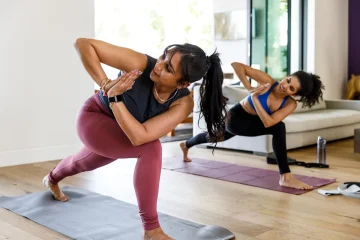
Stretching and mobility exercises can help people move comfortably and maintain a useful range of motion. Gentle routines can be included before or after other activities.
Combining these approaches can create a more varied and well-rounded exercise programme.
Make Everyday Movement Count
Exercise does not always have to happen during a formal workout. Everyday movement can also contribute to a more active lifestyle.
Walking to nearby destinations, taking stairs, doing household tasks, gardening, or playing actively with children can all increase movement.
For people with desk-based jobs, standing up regularly and taking short walking breaks can help interrupt long periods of inactivity.
These small habits may seem insignificant individually, but they can become meaningful when repeated every day.
Listen to Your Body
Being consistent does not mean ignoring physical discomfort. The body needs time to adapt to new activities, especially when exercise becomes more demanding.
Normal tiredness after activity can be expected, but persistent or severe pain should not simply be ignored. Rest and recovery are important parts of physical fitness.
A sensible routine should include easier days and adequate recovery when needed. People returning to exercise after an injury or dealing with specific health concerns should seek suitable professional guidance.
Stay Motivated Without Becoming Dependent on Motivation
Motivation naturally changes. Some days may feel productive and energetic, while others may feel difficult.
Building routines around habits rather than motivation can make exercise more sustainable. Scheduling activity in advance and treating it as a regular part of the day can reduce the need to make a decision every time.
Tracking progress can also help. Rather than focusing only on weight or appearance, consider improvements such as walking farther, feeling stronger, completing more repetitions, or finding everyday activities easier.
Exercise With Other People
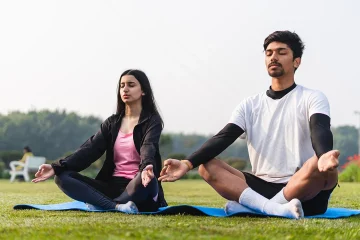
Social support can make physical activity more enjoyable. Exercising with a friend, joining a recreational group, or participating in a class can provide encouragement and accountability.
Social exercise can also introduce variety. Instead of repeating the same workout, people may try different activities together, such as walking, cycling, sports, or outdoor adventures.
For some individuals, the social aspect becomes an important reason to continue exercising.
Give Yourself Time
Fitness does not develop overnight. Improvements usually come through repeated effort over time. Expecting immediate results can lead to frustration.
Progress should be viewed as a long-term process. There may be weeks when progress feels slow, but maintaining reasonable habits can still provide valuable benefits.
The goal is not to achieve perfection. It is to keep moving forward.
Conclusion
Exercise can become a lasting part of a healthy lifestyle when it is approached with patience and flexibility. Choosing enjoyable activities, setting realistic goals, creating a practical schedule, and allowing enough time for recovery can make physical activity easier to maintain.
Whether the routine involves daily walking, strength training, swimming, cycling, or a combination of activities, consistency is what matters most. A sustainable exercise habit can support physical fitness while helping people feel more capable and active in everyday life.